Cottar’s Safaris built a three-night package around two anniversaries at once. The family has run safaris in Kenya since 1919, and Sir David Attenborough turned 100 on May 8, 2026. That double milestone produced the Century Safari Experience, priced from $3,450 per person based on two adults sharing. The package is based at Cottar’s 1920s Camp in the private Olderkesi Conservancy. It is not a themed add-on bolted onto a standard stay. All three nights are structured around field observation, ranger-led conservation work, and Maasai community history. Touring Insights breaks down what the package actually covers and what it costs beyond the headline rate. It also compares the package to a standard stay at the same camp.
What the Century Safari Experience Actually Includes
The package runs three nights, full board, with all listed activities bundled into the $3,450 per-person rate. It is built around three themes rather than a fixed daily checklist. Those themes are the relationship between Maasai communities and wildlife, field observation of animal ecology, and predator-prey balance. That balance defines the Maasai Mara ecosystem. The activities include briefings with Cottar’s all-female ranger unit and raptor sessions with the Kenya Birds of Prey Trust. Bush walks with professional trackers and predator tracking drives round out the list. Evenings bring expert-led discussions and Attenborough documentary screenings, plus stargazing sessions with Oxford-certified astronomer Doug Nagi. Maasai cultural immersion, including a warrior school visit and time in a local village, rounds out the community strand.
Guides on the package are a mix of Cottar’s own award-winning safari guides and Olderkesi’s conservancy rangers. Visiting conservation specialists tied to the themed sessions round out the guide team. That is a wider bench than a typical game-drive-only stay. There, a single guide usually covers everything from wildlife spotting to camp logistics.
Where Cottar’s 1920s Camp Sits in the Mara Ecosystem
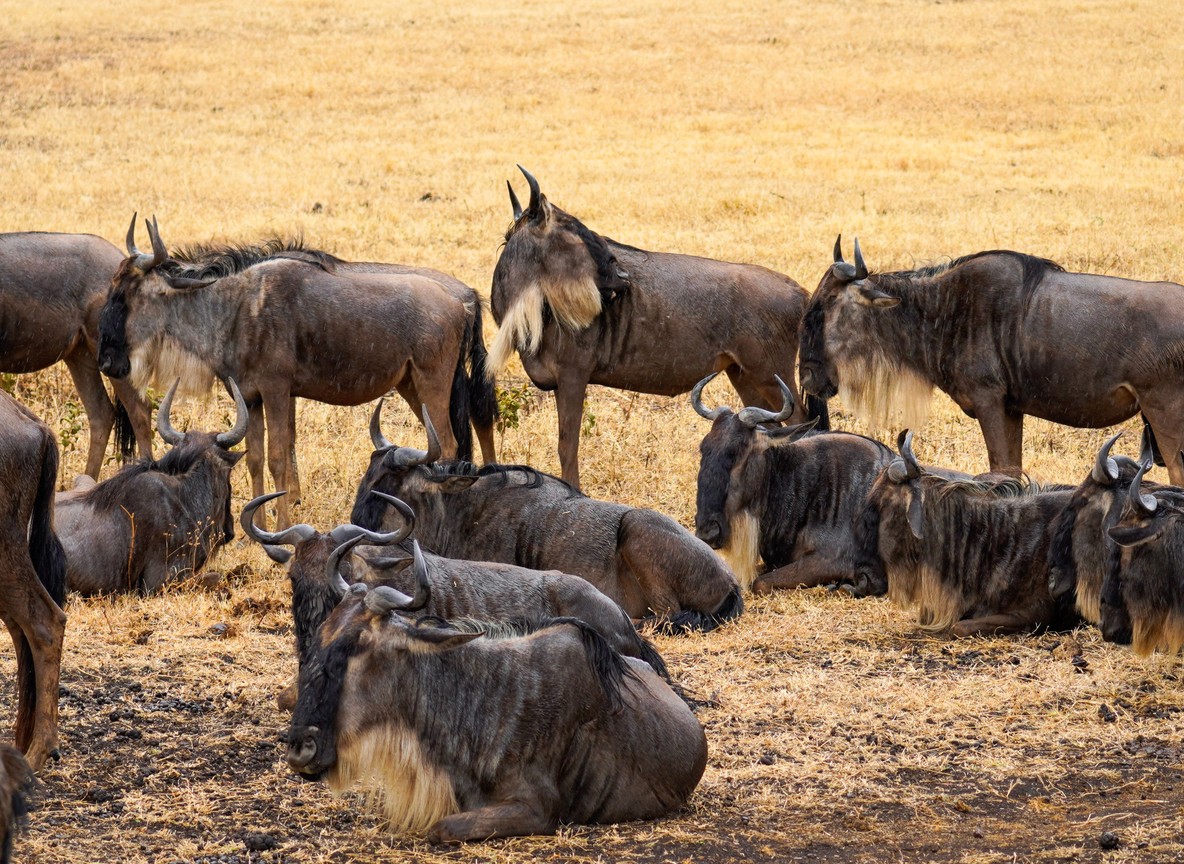
Cottar’s 1920s Camp sits inside the private Olderkesi Conservancy. Olderkesi is a roughly 7,600-acre community-owned conservancy bordering the Masai Mara National Reserve on its southeastern edge. The conservancy connects to a wider 21,000-acre wildlife corridor linking the Mara ecosystem to the Serengeti and the Loita Hills. That corridor sits on land leased from around 6,000 Maasai households in the area. This corridor matters for a conservation-themed package specifically. It keeps elephants, black rhino, cheetah, and wild dogs moving between protected areas rather than penned into a single reserve.
Because the conservancy is privately managed, off-road driving and night drives are both allowed. The adjacent national reserve permits neither. That gives the Century Safari’s field-observation and predator-tracking sessions more flexibility than a reserve-only itinerary would.
The Conservation Element: Rangers, Raptors, and Bush Walks
The ranger and raptor sessions are the parts of the package that go beyond typical safari programming. Cottar’s fields an all-female ranger unit within the conservancy. Guests on the Century package sit in on their briefings rather than just seeing rangers pass by on patrol. The Kenya Birds of Prey Trust partnership adds raptor-specific observation. That matters because vultures, martial eagles, and crowned eagles are among the species the conservancy monitors.
Bush walks with trackers are the other distinct piece. Walking safaris are uncommon inside Kenya’s national parks and reserves. Most protected-area rules restrict foot access to licensed conservancies like Olderkesi. A tracker-led walk covers reading spoor, dung, and disturbed vegetation. Those are the same skills the conservancy’s own anti-poaching and wildlife-monitoring teams rely on daily.
What It Costs: Package Rate, Conservancy Fees, and Park Fees
The $3,450 per-person headline rate covers accommodation and the themed activity program. It does not cover everything a guest will be billed for on arrival. Conservancy fees and any reserve crossing fees are typically charged separately, on top of the room rate. That is standard practice across Mara-area camps.
| Cost Item | Indicative Figure |
|---|---|
| Century Safari Experience, per person (2 sharing, 3 nights, full board) | from USD 3,450 |
| Olderkesi Conservancy fee, per adult per night | approx. USD 116 |
| Olderkesi Conservancy fee, per child per night | approx. USD 58 |
| Masai Mara National Reserve entry (if a reserve crossing is added) | USD 100/day (Jan-Jun 2026), USD 200/day (Jul-Dec 2026) |
| Flight, Wilson Airport (Nairobi) to Cottar’s Airstrip | approx. 45-55 minutes, then 15-minute drive to camp |
| Alternative: fly to Keekorok Airstrip | then approx. 1.5-hour drive to camp |
Conservancy fees fund the ranger unit and wildlife corridor work the package showcases. They are functionally part of what a guest is paying for, even though they sit outside the headline price. Confirm current conservancy and reserve fees directly with Cottar’s or a partner operator before booking, since seasonal rates shift.
Getting There: Cottar’s Airstrip vs Keekorok
Most guests fly rather than drive, given the distance from Nairobi. Cottar’s own airstrip sits a 15-minute drive from camp. It is the shorter route on scheduled and charter flights out of Wilson Airport. Keekorok Airstrip is the alternative used on some routings, with a longer 1.5-hour drive into Olderkesi Conservancy afterward. Guests combining the Century package with a Serengeti or wider Mara itinerary should confirm which airstrip their routing uses. That choice changes arrival-day timing by more than an hour.
How the Century Package Compares to a Standard Stay
A standard stay at Cottar’s 1920s Camp centers on game drives and the camp’s usual activity list. Conservancy access is included, but no themed conservation programming is layered on top. The Century package adds a fixed thematic structure and named specialist partners that are not part of a standard booking.
| Feature | Standard Cottar’s 1920s Camp Stay | Century Safari Experience |
|---|---|---|
| Length | Flexible, guest-chosen | Fixed 3 nights |
| Activity structure | Game drives, walks on request | Themed program: community, field observation, predator-prey |
| Ranger involvement | Conservancy access, no formal briefing | Structured briefing with all-female ranger unit |
| Specialist partners | None built in | Kenya Birds of Prey Trust, Oxford-certified astronomer |
| Evening programming | Standard camp dinner and fire | Documentary screenings and expert discussions |
Guests who want a conventional Mara safari with strong conservancy access can still book a standard stay. The Century package is built for travelers who specifically want the conservation and field-science layer included, not optional.
Explorer Notes
Book conservancy game drives around the Century package’s fixed sessions if you want extra flexibility. The themed activities run on a set schedule rather than an open one. Pack for early starts. Bush walks and ranger briefings tend to happen in the cooler morning hours before the heat sets in. If the Kenya Birds of Prey Trust session matters to you, ask whether it runs on a fixed day. Raptor activity and weather both affect timing, so confirm the schedule for your three-night stay. Bring a headlamp for the stargazing evening. Olderkesi Conservancy has minimal light pollution, which is part of what makes the astronomer-led session worth the late night.
What to Read Next
- Cottar’s 1920s Camp in Olderkesi Conservancy: a closer look at the camp itself outside the Century package.
- Community conservancy vs. national reserve safaris: how Olderkesi’s private status compares to a reserve-based stay.
- Flying from Nairobi to the Masai Mara: more on the Wilson Airport routings and airstrip choices mentioned above.
FAQ
What is included in Cottar’s Century Safari Experience? Three nights full board at Cottar’s 1920s Camp, plus a program covering community history, field observation, and predator-prey ecology. Activities include ranger briefings, raptor sessions with the Kenya Birds of Prey Trust, bush walks, and stargazing.
How much does the Century Safari package cost? It starts from USD 3,450 per person, based on two adults sharing, for the three-night package. Conservancy fees are typically charged separately.
Where is Cottar’s 1920s Camp located? It sits in the private Olderkesi Conservancy, bordering the Masai Mara National Reserve. The conservancy is part of a wider 21,000-acre wildlife corridor connecting to the Serengeti and Loita Hills.
Do I need to fly in, or can I drive to Cottar’s 1920s Camp? Most guests fly into Cottar’s own airstrip, a 15-minute drive from camp. Others fly into Keekorok Airstrip, roughly 1.5 hours away by road. Both routes are shorter and more reliable than a full road transfer from Nairobi.
Is the Century Safari Experience only available for a limited time? It launched in 2026 to mark both Cottar’s centennial and Sir David Attenborough’s 100th birthday. Confirm current availability and dates directly with Cottar’s or a partner operator, since themed packages can run on limited scheduling.
Cottar’s built the Century package around access most standard bookings skip: structured time with rangers, raptor specialists, and an astronomer. That access sits inside a conservancy that funds real corridor protection. Check the Tour Packages page for current Maasai Mara conservancy stays. Alternatively, ask a partner operator to confirm Century Safari dates and availability before you book.
Further reading
More safari planning resources
- Kenya national parks map from SafariPure
- Kenya tour packages from Valley Safaris
- Maasai Mara National Reserve guide on Touring Insights
- Compare Kenya safari packages on FindMySafari
Related guides: Conservation Safari Operator vs Standard Operator: What the Difference Actually Means.